


If you’ve ever stared at a surface through a traditional lab microscope and wished you could peel back one more layer, just one more level of detail, you’re not alone. Scientists across the world often reach that point where optical magnification simply stops giving answers. That is exactly where High-Resolution Microscopy enters the picture.
At its simplest, high-resolution microscopy refers to techniques that push past the physical limits of light-based imaging. Instead of relying on illumination, these systems measure, scan, or “feel” a material at incredibly small scales, right down to individual atoms. It’s a field that keeps rewriting what we know about biology, materials, semiconductors, and nearly every branch of advanced research.
And in the middle of this shift, Molecular Imaging has become a trusted partner for researchers who need dependable AFM servicing, custom builds, upgrades, and hands-on guidance.
So, What Makes High-Resolution Microscopy So Important?
The simple answer: research today demands far more precision than it did a decade ago. Modern challenges, drug delivery, battery performance, nano-coatings, and microchips, are shaped at the smallest scales. If you can’t see what’s happening there, you can’t solve the problems.
Techniques like Atomic Force Microscopy (AFM) and the Scanning Tunneling Electron Microscope changed the game. Instead of giving only an image, they reveal texture, structure, and behavior that optical tools could never pick up.
Some researchers describe it as “finally being able to see the truth hiding beneath the surface.” And honestly, that’s not an exaggeration.
Where Atomic Force Microscopy Truly Shines
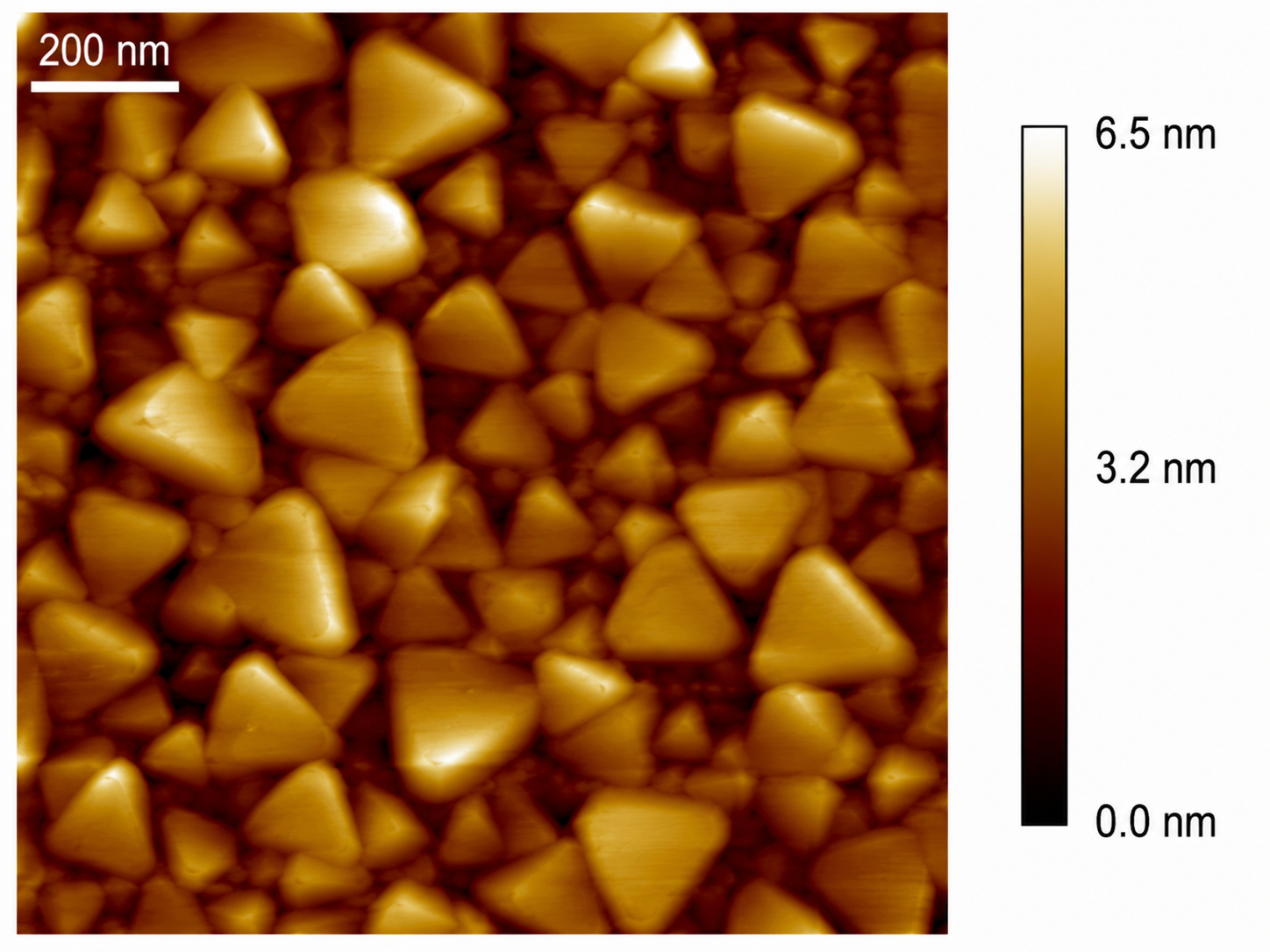
AFM has become one of the most relied-on platforms in high-resolution imaging. It doesn’t blast the sample with electrons or overwhelm it with light. Instead, it uses a tiny tip, sharp enough to measure atoms, to scan across the surface.
Because of this, Atomic Force Microscopy applications stretch across dozens of fields:
Material & Nanotech Research
From thin films to composite structures, AFM helps researchers understand roughness, defects, and grain behavior at a scale no other tool can match.
Biology & Life Sciences
Cells, proteins, membranes, and AFM can reveal structures that collapse under electron microscopes, giving biologists a non-destructive way to study delicate samples.
Polymers & Chemical Engineering
Phase separation, adhesion, and wear mapping are all clearer under an AFM than any optical device.
Advanced Manufacturing
Industries now use AFM for quality control, measuring surface deviations that are invisible to traditional scanning tools.
With capabilities this broad, it’s no surprise that labs worldwide are upgrading equipment or seeking better support.
The Role of the Right Partner: Why Molecular Imaging Matters
Owning a high-resolution microscope is one thing. Keeping it accurate, stable, and ready for sensitive work is another challenge entirely. Researchers know that an AFM that’s slightly out of calibration can throw off entire projects.
This is where Molecular Imaging stands out.
The company supports labs through:
- Precision AFM repairs
- Custom-designed parts for Atomic Force Microscope parts replacements
- Performance upgrades for aging equipment
- Service for Keysight AFM systems
- Tailored AFM training that matches a lab’s exact needs
In a world where research cannot afford downtime, working with specialists who understand both the science and the hardware makes all the difference.
Custom Solutions: Because Every Research Project Is Different
A life-science lab studying cell membranes doesn’t need the same configuration as a semiconductor team analyzing etched wafers. Instead of pushing one-size-fits-all setups, Molecular Imaging often builds or adjusts systems based on the project itself.
This approach speeds up workflow and improves data reliability, two things every researcher appreciates more than new equipment brochures.
Final Thought
High-resolution microscopy isn’t a niche tool anymore. It has sneaked into being the basis of discoveries in numerous industries. As technology continues moving toward smaller, faster, and more efficient solutions, the demand for precise imaging will only grow.
When teams are exploring new builds of AFM, upgrading older systems or when they require reliable service support Molecular Imaging is a well-known brand, and many professionals rely upon its services when precision is not optional.
If your lab is preparing for its next big leap, this is a good time to reach out and explore custom options, upgrades, or service packages designed around real research challenges.
Post a comment
Related Posts
May 15, 2026
Why High Quality AFM Data Matters for Your Research
Modern research environments demand more than visually impressive nanoscale images. Researchers working in nanotechnology, semiconductor…